
CHEST Physician
-

Sotatercept in pulmonary arterial hypertension
Understanding when to consider sotatercept and how to use it has become a critical part of PAH care.
-
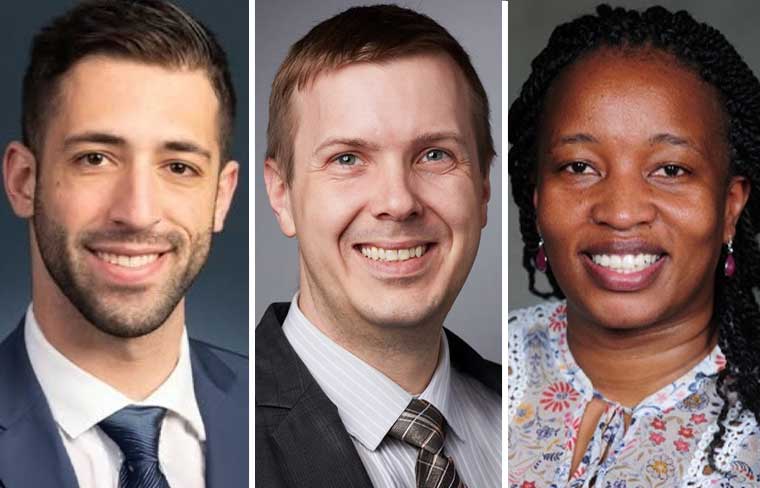
Lung cancer survivorship: Life beyond diagnosis, treatment, and rechecks
It is no longer enough to “survive” lung cancer; our responsibility as pulmonologists is to help survivors persevere beyond it.
-

The physiology of near drowning
Drowning is an underrecognized global health care burden across the world. Review what the experts discussed on the topic in a recorded session from CHEST 2025.
-

Unifying care across academic and community systems
The integration of academic and community physician groups within academic health systems offers a powerful opportunity to elevate women as leaders of change.
-

AASM issues first guideline for inpatient management of OSA
Sleep specialist Dennis H. Auckley, MD, FCCP, said he hopes the recommendations move the field into the inpatient setting and help to identify those with undiagnosed sleep apnea.
-
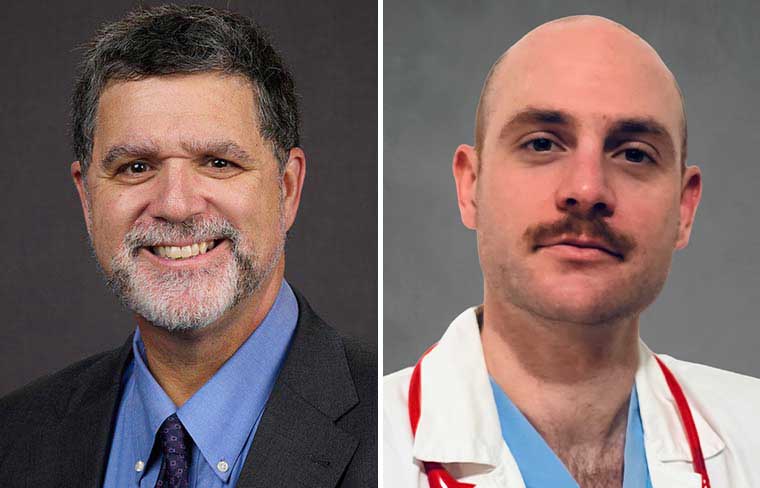
Data support use of nirsevimab prophylaxis to reduce RSV hospitalization risk for infants
Retrospective data show significantly fewer infants were hospitalized for RSV after nirsevimab became available. Among the RSV hospitalizations that occurred during that time period, 75% were in infants who had not received nirsevimab.
-

While still elevated, early 2026 data show US influenza A cases stabilizing or decreasing
Infectious disease expert Frederick G. Hayden, MD, said timely use of antivirals for prophylaxis and treatment can minimize the impact of this flu season, which has seen a significant mismatch between vaccines and the circulating strain.
-

From chalkboards to chatbots: The emerging landscape of AI in medical education
Professors Deepak R. Pradhan, MD, MHPE, FCCP, and Richard M. Schwartzstein, MD, FCCP, discuss the opportunities—and potential pitfalls—of the increasing adoption of artificial intelligence.
-

Beyond the blueprint: Early outcomes from the CHEST Critical Care APP certification exam
The 2025 exam tells a clear story: APPs are seeking meaningful validation, value lifelong learning, and want credentials that reflect the realities of modern critical care.
-

The burden of post-TB lung disease
Post-TB lung disease causes substantial long-term respiratory morbidity, disability, and increased mortality among TB survivors worldwide.
