
CHEST Physician
-

Azelastine nasal spray shows promise in preventing SARS-CoV-2 infections
Researcher Robert Bals, MD, PhD, said this is a starting point, a signal of efficacy that warrants confirmation in larger, multicentric, phase 3 trials.
-

No benefit found for conservative oxygen therapy for adults who are critically ill
While the approach did not outperform usual therapy, it was not inferior to standard treatment either, suggesting additional studies of SpO2 goals are warranted.
-

Revolutionizing respiratory care: Bedside ultrasound for diaphragm assessment
Diaphragm ultrasound is a safe, noninvasive tool that evaluates respiratory muscle function, aiding in diagnosis, weaning from ventilation, and management of lung disease.
-

Waking up to simulation in sleep medicine
Simulation-based mastery learning is expanding into sleep medicine training with innovative courses and workshops geared toward honing clinical skills in a controlled environment.
-

CHEST grant recipient reflects on completed project in streamlining ILD diagnoses
With her project complete, Kavitha Selvan, MD, shares how the quality improvement grant from CHEST through the Bridging Specialties®: Timely Diagnosis for ILD program has impacted patient care, affected providers, and supported her growth as a clinician.
-

CHEST reinforces science-based medicine as a guiding principle
CHEST has added “Science-Based” as a sixth organizational value, reaffirming a commitment to evidence-based medicine and research.
-

Top reads from the CHEST journal portfolio – October 2025
Editorial Board members share their insights on invasive mechanical ventilation after cardiac arrest, delays in referral for Black patients with sarcoidosis, and the use case for treating sepsis with high-dose intravenous vitamin C.
-
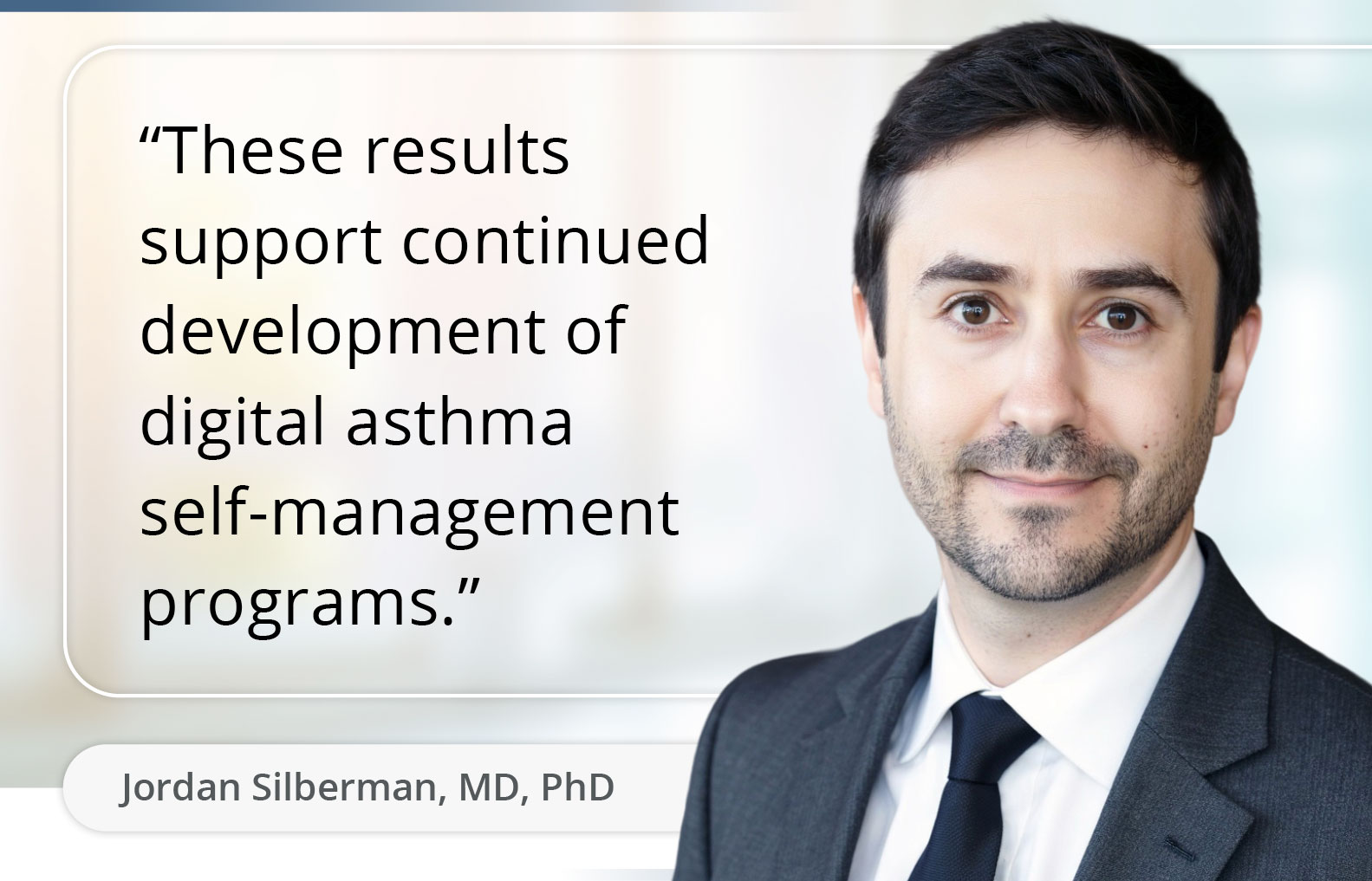
Asthma self-management app beats usual care for asthma control
Researcher Jordan Silberman, MD, PhD, said the findings—which varied by race—underscore the need for culturally adaptive strategies to ensure equitable engagement across all populations.
-

Study identifies key environmental exposures associated with risk of interstitial lung disease
Bradford C. Bemiss, MD, MSc, said the findings underscore the importance of asking patients about potential workplace inhalation exposures.
-

Study shows nurse-led family support reduces adverse outcomes, improves ICU satisfaction
Timothy Kinsey, DMSc, PA-C, FCCP, said recent findings offer a strategy for mitigating long-term harm for families of patients who are critically ill.
